How the Poppy Came to Mark Wartime Remembrance: What to Know
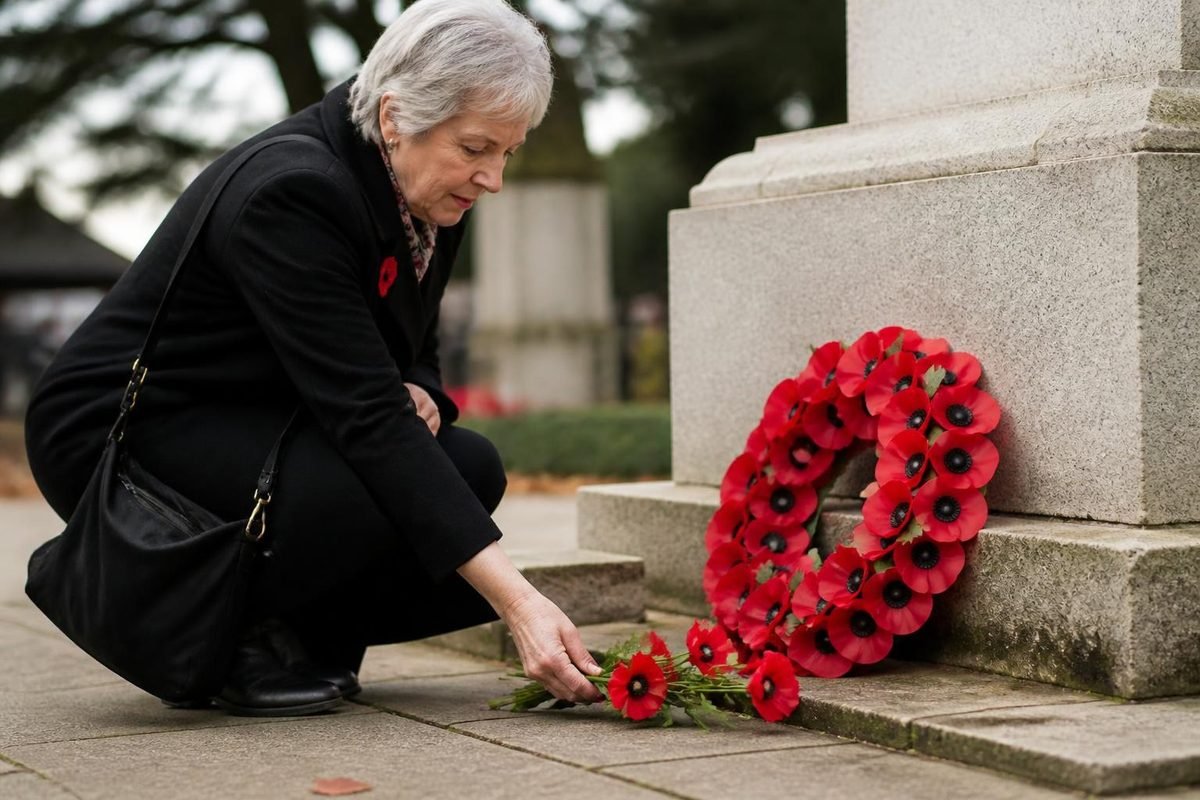
Poppies became a sign of wartime remembrance because red field poppies grew across battlefields and graves in western Europe during the First World War. A poem connected the flowers with the soldiers who died, and later campaigns made the poppy a way to remember the dead and help veterans.
Where the flowers appeared
On the Western Front, much of the fighting took place on farmland in Belgium and northern France. Shells, trenches and the passage of troops repeatedly turned over the ground, leaving damaged fields and graves spread across the landscape.
Red field poppies are able to grow in disturbed soil. Their seeds may lie dormant in the earth until conditions are suitable for growth, and the churned ground created places where the flowers could appear. Their vivid color stood out against land marked by war.
The poppies did not cover up the violence or undo the loss. Instead, they grew in the same places where the damage and graves remained. For people seeking an image to express grief, that contrast made the flowers especially affecting.
A poem rooted in Flanders
Canadian physician and soldier John McCrae wrote In Flanders Fields in 1915. At the start of the poem, poppies move in the breeze between crosses marking the graves of those who had died.
Written during the war, the poem soon became widely read. McCrae placed a familiar living flower beside the graves, linking a small detail of the landscape to the death of soldiers. The poem also gives a voice to the dead, who urge the living to continue their cause.
How a flower became an emblem
Near the end of the war, American educator Moina Michael read McCrae’s poem. She began wearing a red poppy in 1918 as a mark of remembrance and worked to establish it as an emblem for those who had died.
French humanitarian Anna Guérin promoted artificial poppies as a way to raise money for people affected by the war. The approach reached organizations in other countries. In Britain, the first poppy appeal took place in 1921.
Remembering while offering help
The artificial poppy came to serve two purposes. It offered a visible way to remember the dead, and poppy appeals collected funds for veterans and their families. Wearing one could therefore express remembrance while also supporting people affected by war.
Red poppies are now worn in several countries around November remembrance observances. Customs differ from place to place, but the flower may be seen at ceremonies, on wreaths or attached to a coat. For some, wearing one is a public gesture of respect; for others, it is a personal moment of reflection.
One symbol, not one meaning
Many people see the red poppy as a tribute to those who died in war and as recognition of the hardship experienced by service members and their families. Other people approach remembrance in a different way, and some decide not to wear a poppy. A symbol cannot represent the same thing to everyone.
The flower’s meaning comes from its links to a particular landscape, McCrae’s poem and the continuing practice of remembering. Its bright petals make a clear image, even though the history they call to mind is complicated and painful. Remembering the poppy’s origins also explains why a flower growing in disturbed soil became more than a detail of the battlefield.
Related reading: source